NEURALINK: COMMIUNACATION THROUGH THE BRAIN
NEURALINK: COMMIUNACATION THROUGH THE BRAIN
In the age of rapid technological advancement, the realm of neuroscience stands at the forefront of innovation, offering unprecedented insights into the complexities of the human brain. Among the myriad of breakthroughs emerging from this field, one particular development promises to revolutionize communication as we know it: NeuroLink. NeuroLink, a concept that merges neuroscience with communication technology, holds the potential to enable direct communication between individuals through their brains, transcending traditional methods of interaction. This essay explores the implications, challenges, and ethical considerations surrounding NeuroLink and its potential to reshape human communication.
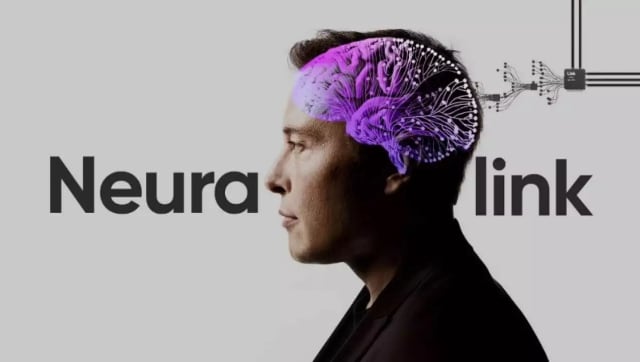
visit : https://neuralink.com/ for more !!
wikipedia :https://en.wikipedia.org/wiki/Neuralink
At its core, NeuroLink seeks to establish a direct interface between the human brain and external devices, facilitating the exchange of information without the need for verbal or written language. This groundbreaking technology relies on advances in neuroimaging, brain-computer interfaces (BCIs), and machine learning algorithms to decode neural activity and translate it into meaningful signals. By harnessing the brain's intricate patterns of electrical activity, NeuroLink promises seamless communication that transcends linguistic and cultural barriers.
Video on youtube : HOW NEURALINK WORKS
One of the most compelling applications of NeuroLink is its potential to empower individuals with disabilities, providing them with a means to communicate and interact with the world in ways previously unimaginable. For individuals with conditions such as locked-in syndrome or severe paralysis, NeuroLink could offer a lifeline, enabling them to express their thoughts, emotions, and desires directly through brain signals. This would not only enhance their quality of life but also foster greater inclusivity and accessibility in society.
However, alongside its transformative potential, NeuroLink also raises significant ethical and societal concerns. Chief among these is the issue of privacy and data security. Given that NeuroLink requires access to individuals' neural activity, there is a risk of sensitive information being intercepted or exploited without consent. Safeguarding the privacy and autonomy of users will thus be paramount in the development and implementation of NeuroLink technology.
Furthermore, the prospect of direct brain-to-brain communication raises questions about the boundaries of personal identity and agency. As individuals gain the ability to share thoughts and experiences directly with others, the distinction between individual minds may become blurred, giving rise to ethical dilemmas regarding consent, autonomy, and the integrity of personal boundaries.
Moreover, the unequal distribution of NeuroLink technology could exacerbate existing social inequalities, widening the gap between those who have access to these capabilities and those who do not. It is essential to ensure equitable access to NeuroLink technology and mitigate the risk of exacerbating societal divides.
In conclusion, NeuroLink represents a paradigm shift in human communication, offering unprecedented possibilities for direct brain-to-brain interaction. While the potential benefits are vast, it is crucial to approach the development and deployment of NeuroLink technology with careful consideration of its ethical, societal, and privacy implications. By addressing these challenges thoughtfully, we can harness the full potential of NeuroLink to enhance human connectivity, empower individuals, and foster a more inclusive and equitable society.
By : Mohammad Masnun, ID : D15156, IX-F (Day)

Comments
Post a Comment